Management Committee
The main purpose is to oversee the working of the Research Tissue Bank so that it adheres to its primary aims and objectives.
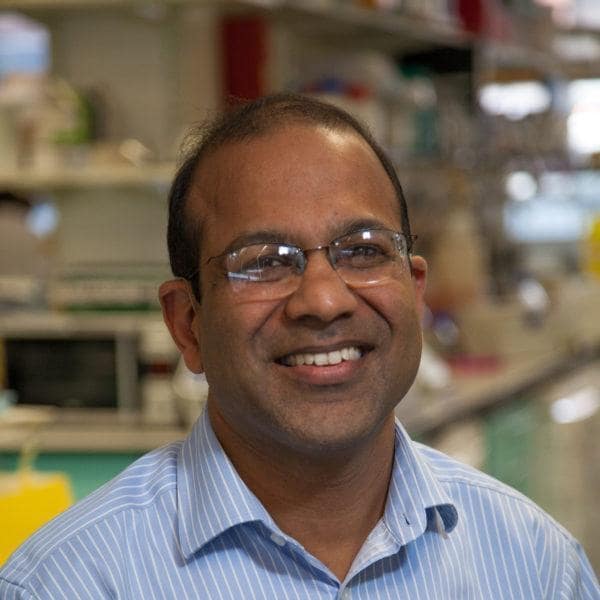
Prof Kocher is surgeon-scientist with clinical and research interest in pancreatic cancer based at Barts Cancer Institute, Queen Mary University of London. He is Consultant HPB Surgeon, HPB MDT Lead and Research Director for Surgery at the Barts Health NHS Trust. He is Chief Investigator and co-director for The PCRFTB.
...
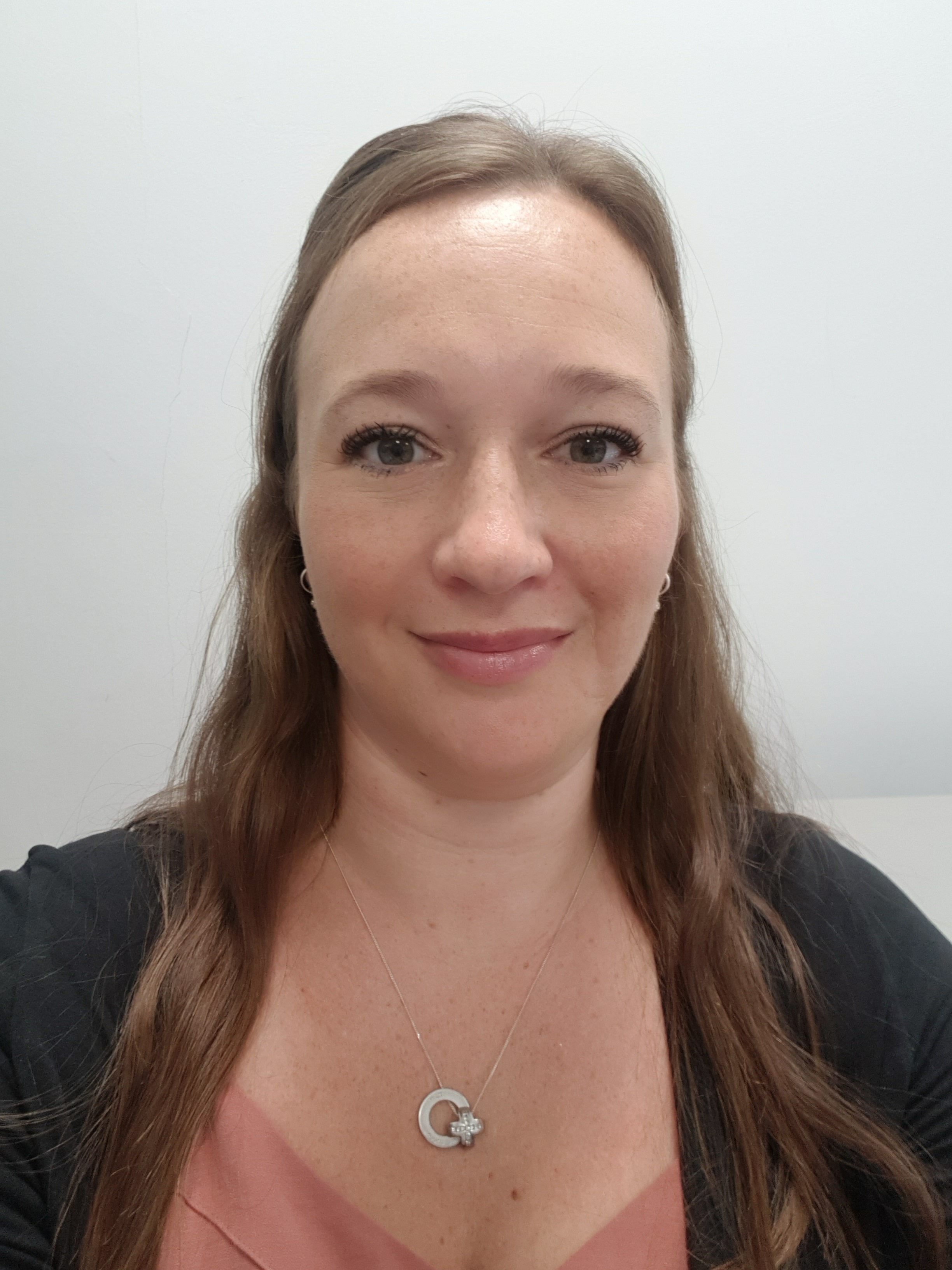
Ms Katherine is HTA Designated Individual for Barts Health NHS Trust and Queen Mary University of London. Her role is to ensure the compliance to the Human Tissue Act in relation to research. She is also the manager of the Human Tissue Resource Centre based at St Bartholomew’s Hospital, and a senior Biomedical Scientist working with the Cellular Pathology department at the Royal London Hospital.

Dr Anita Sanghi is a Consultant Obstetirician Gynaecologist for the last 20 years. She is also the Caldicott Guardian for Barts NHS Health since 2017 and is Divisional Director Women's since 2016. She is also CQC speciality advisor, GMC expert witness in the speciality of Obstetrics and Gynaecology. She has held several educational roles in the speciality of the hospital, NE Thames London Deanery and RCOG. Her main interests are Maternal medicine, medical education and leadership.
Ms Charmaine Allen has been a HPB Clinical Nurse Specialist at Barts Health NHS Trust for over 10 years.
Dr Joanne Chin-Aleong is Consultant Histopathologist at Barts Health NHS Trust for over 25 years. She is lead for GI Pathology.
Operations Board
The main remit is to ensure that day-to-day operations are performed efficiently and audited to meet requirements of existing laws and regulations.
Prof Kocher is surgeon-scientist with clinical and research interest in pancreatic cancer based at Barts Cancer Institute, Queen Mary University of London. He is Consultant HPB Surgeon, HPB MDT Lead and Research Director for Surgery at the Barts Health NHS Trust. He is Chief Investigator and co-director for The PCRFTB.
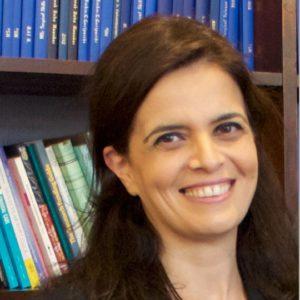
Prof Chelala joined Barts Cancer Institute driven by a high motivation to translate her work from a substantial basic/computational research platform into a translational/patient setting. She established a research team with complementary expertise in translational bioinformatics, health data science, molecular biology, databases and software engineering. She leads the Health Informatics and Bioinformatics for PCRFTB.
Consultant HPB and Liver Transplant Surgeon at the Royal Free Hospital and Professor of Surgery at UCL. Major research interests include Evidence based Healthcare (UK Cochrane Editor), Clinical Trials, pathogenesis of HPB cancers and novel surgical technologies. Chair of London NIHR RfPB grant panel. Has completed 6 clinical trials in surgery, published 615 full peer reviewed articles including 115 Cochrane reviews (64 are in National or International Guidelines).
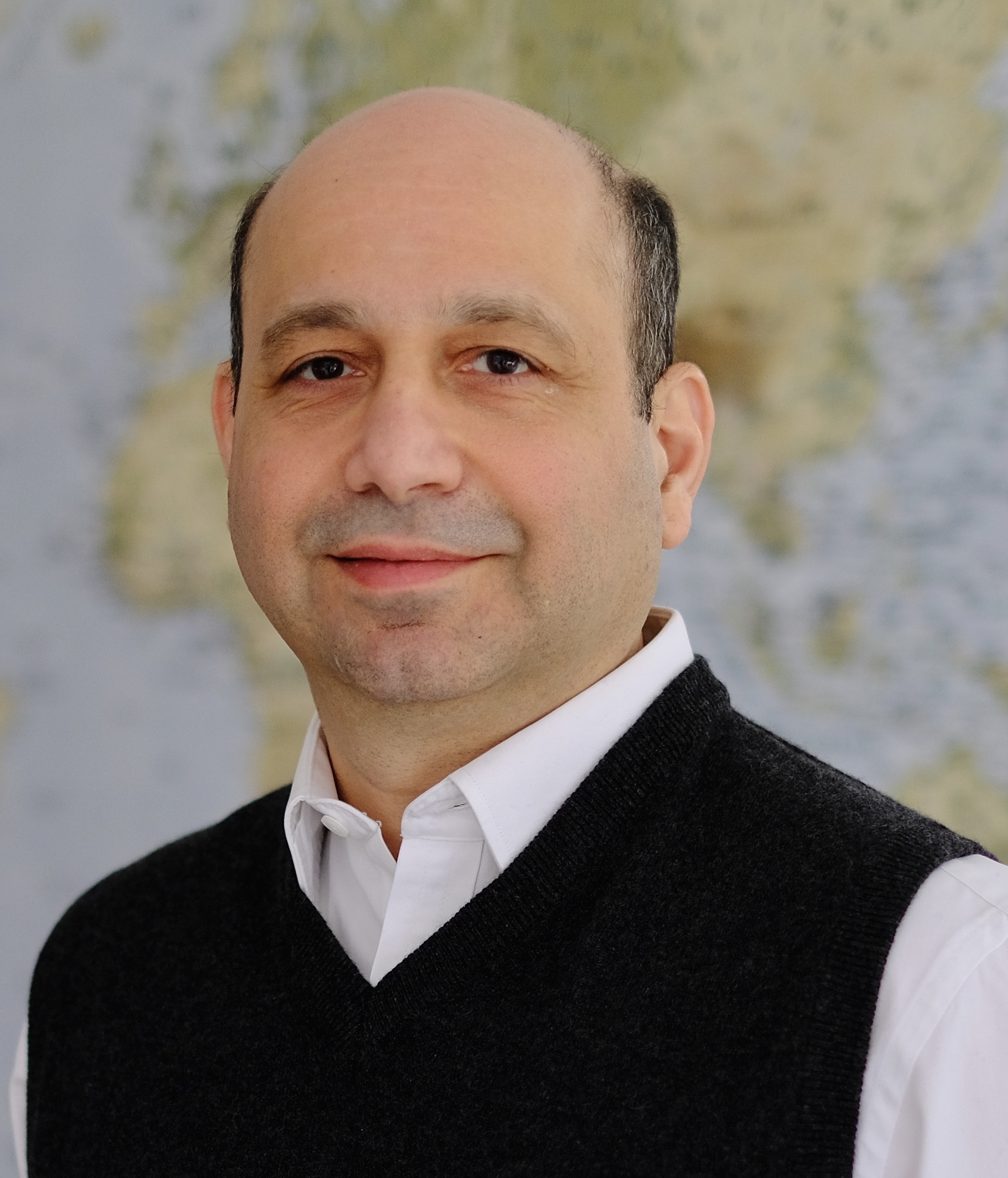
Mr Zahir Soonawalla is a consultant HPB Surgeon at Oxford since 16 years. His clinical practice includes pancreatic and liver surgery for cancer, as well as a specialist interest in neuroendocrine tumours. He is the Deputy Divisional Medical Director with a focus on theatre performance.
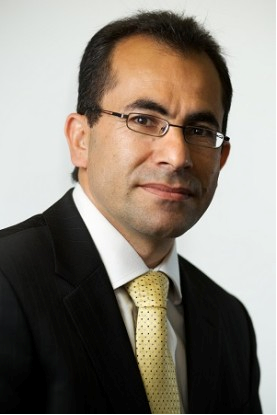
Prof Bilal Al-Sarireh is a Laparoscopic General and Gastrointestinal surgeon with special interest in hepato-pancreato-biliary surgery. After qualifying from Jordan University of Science and Technology in 1996, he moved to the UK in 1997 and was awarded a PhD in Surgical Oncology from the University of Nottingham in 2001. Thereafter, he had his basic surgical training at St James Hospital in Leeds, and subsequently undertook specialist hepato-pancreato-biliary (HPB) and laparoscopic surgery training in Liverpool. In 2009 he completed his HPB and laparoscopic surgery training at the internationally renowned HPB unit in Liverpool. Professor Al-Sarireh moved to Wales in 2009 where he established a tertiary pancreato-biliary Unit for Wales. Currently he is the Clinical Lead for HPB Surgery at Swansea Bay University Health Board working out of Morriston Hospital in Swansea providing a tertiary pancreato-biliary service for mid and south Wales.
...
...
Stuart Robinson is a Consultant HPB surgeon at the Freeman Hospital in Newcastle. He completed his PhD with the fibrosis research group at Newcastle University and was the first NIHR academic clinical lecturer in surgery in the North East of England during his training. His main areas of interest is the management of cancers affecting the pancreas, liver and bile duct. He also has a specific interest in the management of gastrointestinal neuroendocrine tumours.
...
Tissue Access Committee
Oversees a peer review process to ensure a fair and transparent allocation of Human Biological Material.
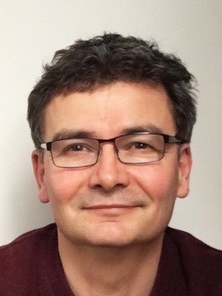
Gareth Thomas is a Professor of Experimental Pathology, joining the University of Southampton in 2009. A primary research focus is the tumour microenvironment, particularly the role of cancer-associated fibroblasts (CAF) in promoting tumour progression. Previously, in 2004 he was awarded a 5-year Clinician Scientist Fellowship from the Heath Foundation/Royal College of Pathologists to develop novel tumour therapies based on alphavbeta6 integrin expression in head and neck cancer. He was appointed Professor of Oral Pathology and Consultant in Oral and Maxillofacial Pathology at Barts and the London in 2007.
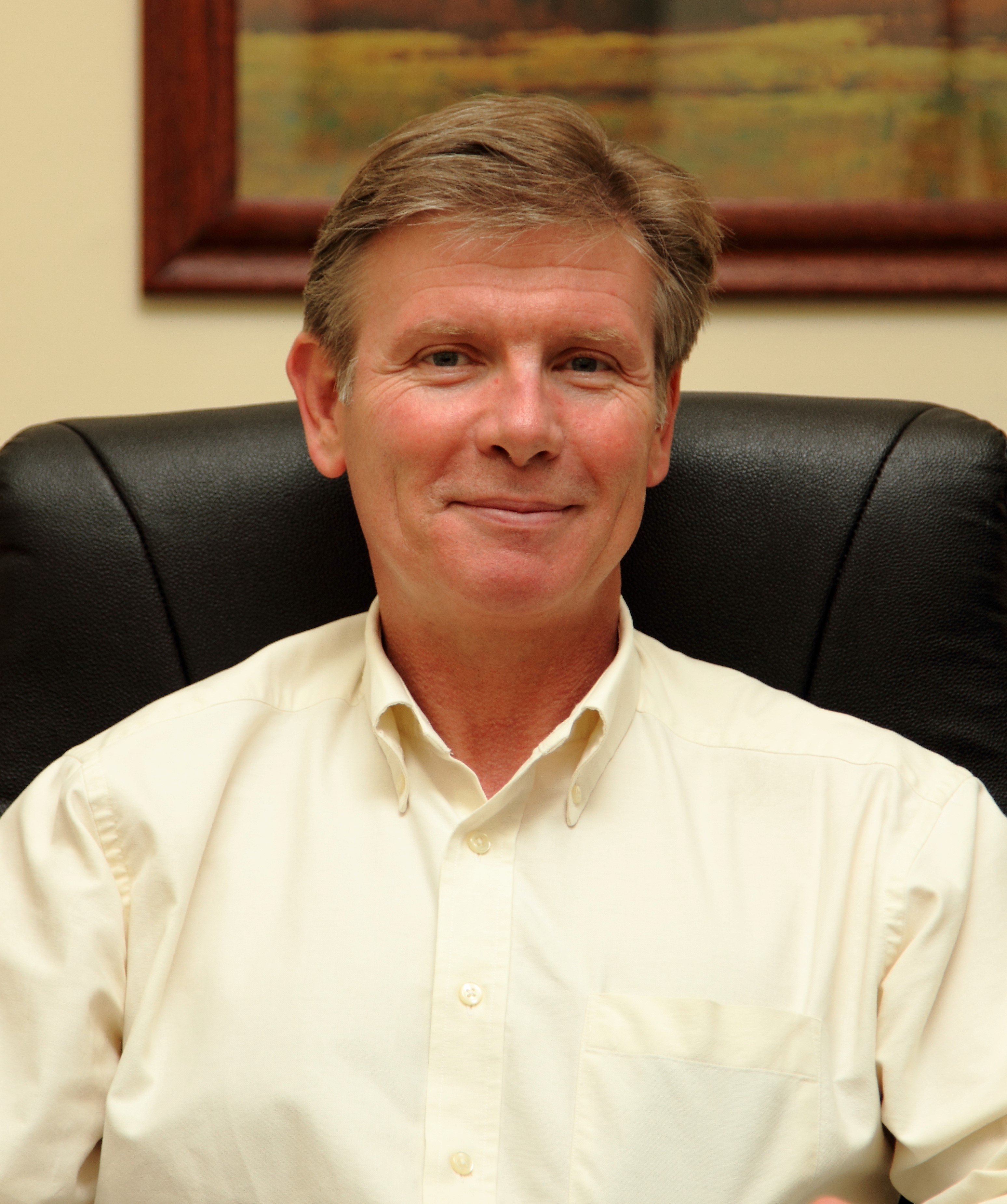
Professor Nick Lemoine is Director of the Barts Cancer Institute, Queen Mary University of London, and Director of Research & Development for Cancer at Barts Health NHS Trust, the largest NHS Trust in the country. Nick is also the Medical Director of the National Institute for Health Research Clinical Research Network for England. Among other commitments, he is the Chair of Trustees of the Medical Research Foundation, and Foreign Dean of the Academy of Medical Sciences, Zhengzhou University, People’s Republic of China. He was elected as a Fellow of the Academy of Medical Sciences in 2006, and as a Foreign Academician of the Chinese Academy of Engineers in 2017.
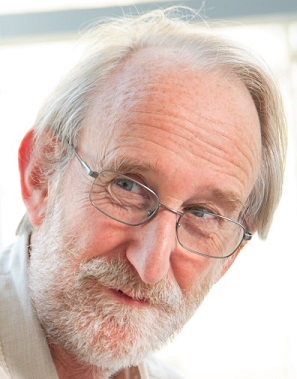
Following specialist training in haematology, Andy Hall helped to establish the paediatric haematology research group in Newcastle and was actively involved in laboratory research for over 25 years. During this time he came to appreciate the importance of obtaining clinical samples in the identification of better ways to diagnose and treat patients affected by cancer. He has helped to set up and run several biobanks and has experience in assessing applications to use samples in research. Andy has also served in governance roles for the Human Tissue Authority and on an NHS Research Ethics Committee.
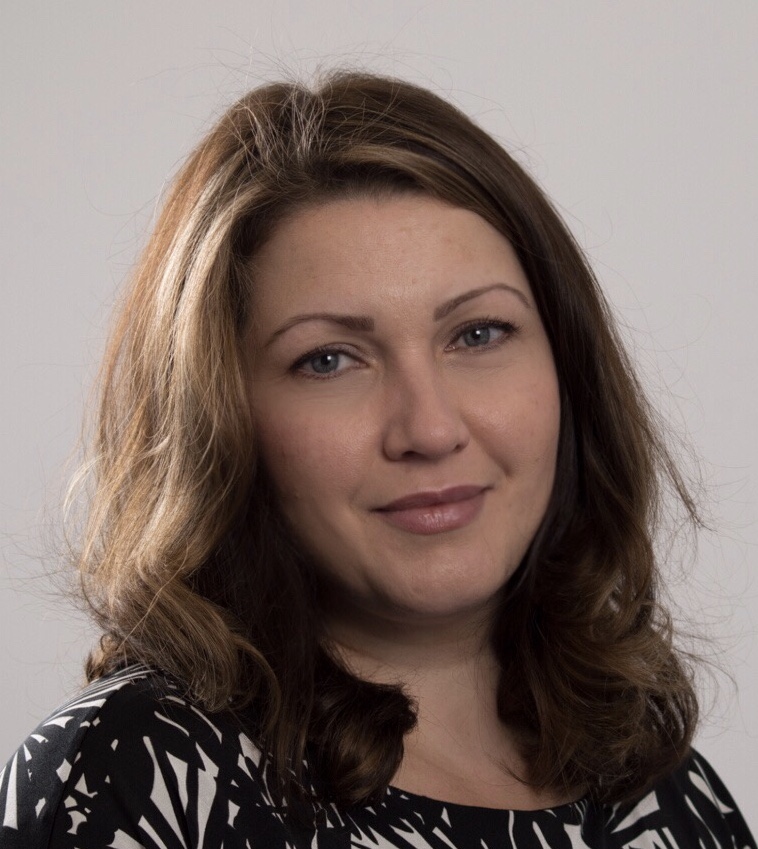
Liver fibrosis is a final common pathway of liver injury irrespective of aetiology. It is characterised by progressive replacement of normal hepatic tissue with collagen-rich scar tissue and is responsible for around 1.5 million death per annum worldwide. There are no proven effective therapeutics for fibrosis, the only treatment available for chronic liver disease is transplantation which is limited by availability of donor organs. Jelena Mann is interested in delineating epigenetic signalling pathways that trigger fibrogenesis and in doing so, discovering molecular control of fibrogenesis and associated signalling pathways that can be targeted with novel therapeutics.
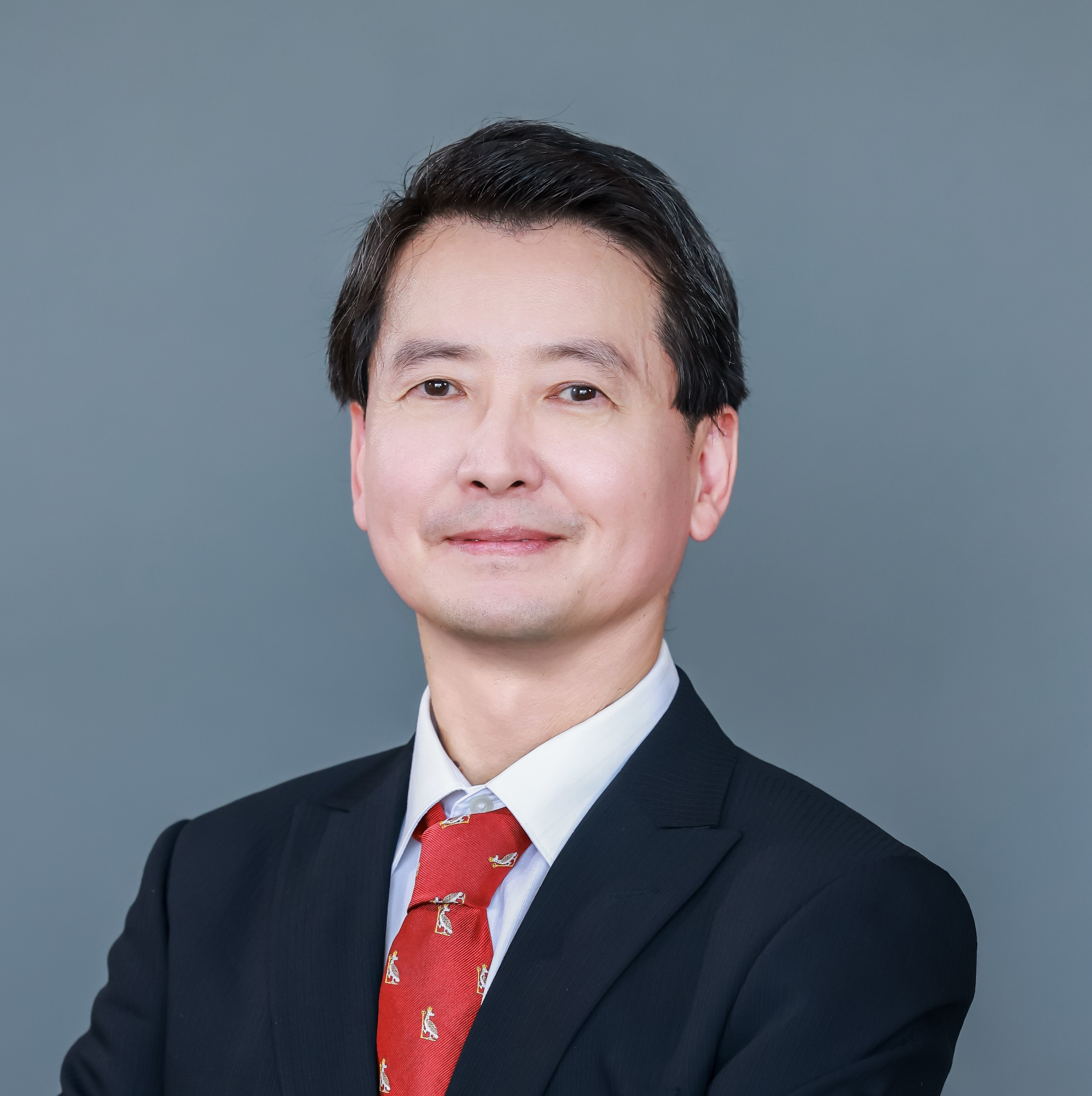
Wen Chung obtained his Pharmacy degree in Taiwan, then studied Medicine in Ireland and obtained MBBChBAO and Ph.D. in University College Dublin from 1993-2006. He worked in various laboratories in Germany, Portugal, Ireland, Japan, Australia and UK. He joined the Department of Hepatobiliary and Pancreatic Surgery at the University Hospitals of Leicester NHS Trust in 2010. He continues his research career in the HPB Department and builds international collaborations. Wen was an external supervisor for the University of Adelaide in Australia, the University of Leicester and De Montfort University in the UK. He was peer reviewer for NHMRC project grants for Australia and external PhD examiner, the University of Adelaide in Australia. Currently, he is an HPB Specialty Doctor in the HPB Department and Honorary Clinical Fellow in the Department of Genetic and Genome Biology at the University of Leicester. Wen runs the ex vivo organ perfusion and studies the early diagnosis of Pancreatic cancer. He is also involved in setting up the Islet auto transplantation clinical laboratory in the University Hospitals of Leicester. For the last two years, Wen has been working to build a bridge between China and the UK in HPB surgery, as a member of the Management Committee for UGI Congress, the UK Hepatobiliary and Pancreatic Society China Representative.
Dr Yaohe Wang is a Professor of Cancer Cell and Gene Therapy and the Head of Cancer Viro-immunotherapy Laboratory at the Barts Cancer Institute, Queen Mary University of London. The major research interest in his Lab is investigating the interaction of oncolytic viruses, tumour cells and host immune responses, in order to design novel cancer therapeutic agents and regimens; a combination of oncolytic viruses with other cancer cell therapies is the focus of a major new programme.
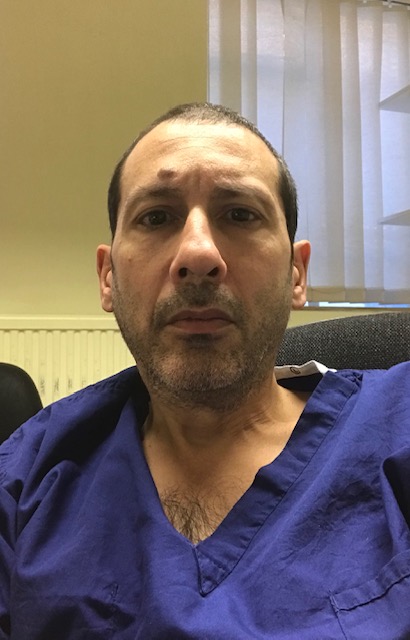
Professor Garcea is a Consultant HPB surgeon working in Leicester. He has an active research profile and is presently Clinical Director for Cancer, Haematology, Urology, GI Surgery, Palliative Care and Gastroenterology.
Alberto Quaglia is a Consultant Histopathologist and Professor of Hepatopathology based in in Department of Cellular Pathology at the Royal Free London NHS Foundation Trust and the UCL Cancer Institute, with a special interest in HPB pathology.
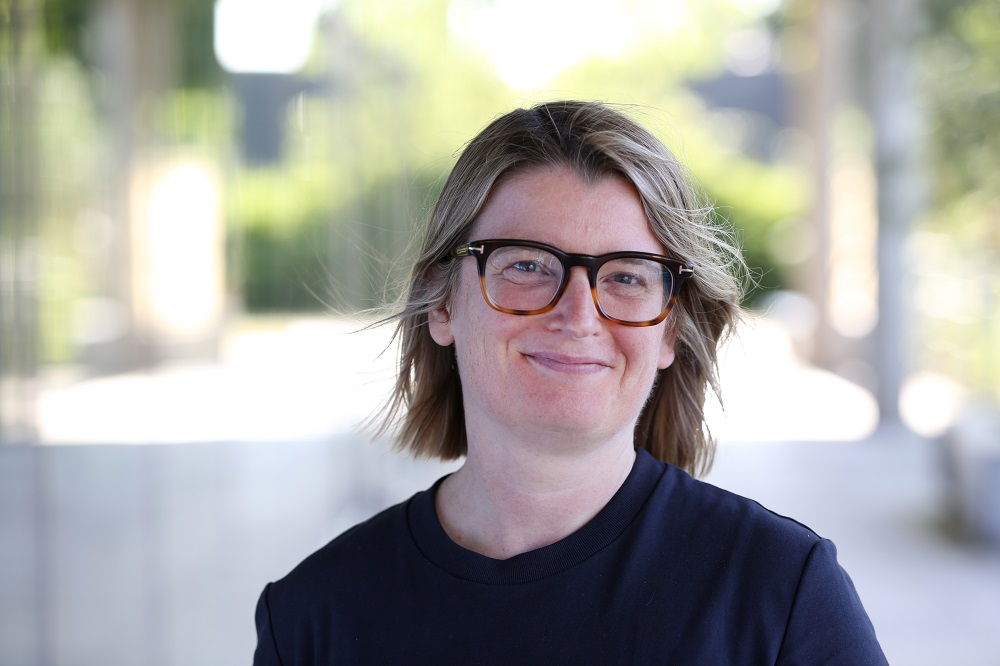
Alix is the Head of Biological Sample Collections for the Bristol Bioresource Laboratories (BBL), University of Bristol. BBL provide a biological sample processing and storage service for a number of cohort studies. Over 2 million samples from 25 plus sample types are stored in the BBL biorepository. As part of their role, Alix ensures compliance to research governance requirements and the Human Tissue Act. They are also the lead for BBL's Quality Management System which is certified to the International Standard ISO 9001.
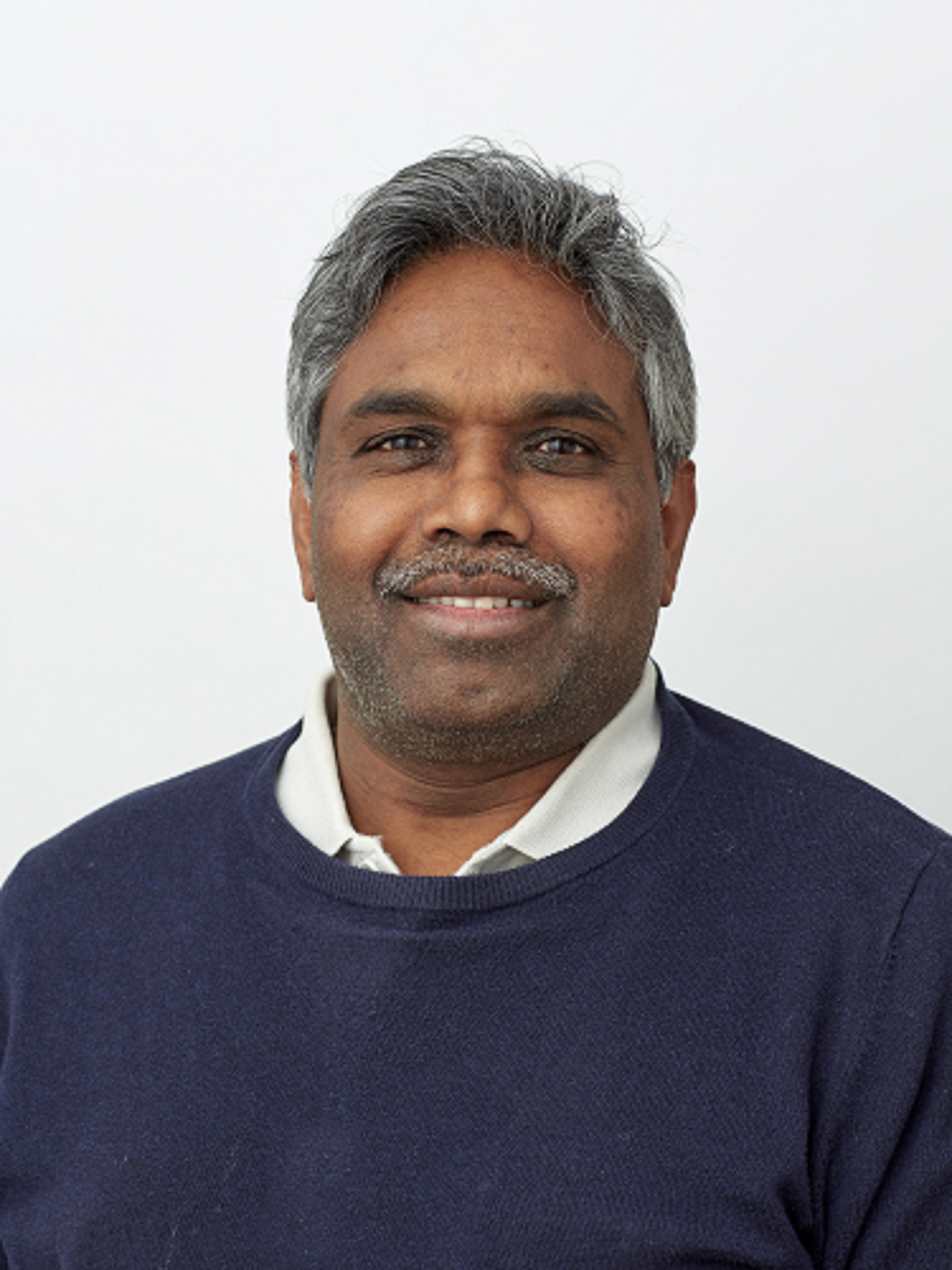
The past and current work of Professor Kanamarlapudi in the understanding of phosphoinositide (PI) and the Ras superfamily of GTPases cell signalling has focused largely on exploring in G-protein coupled receptor (GPCR) signalling and trafficking. His team have been focusing their recent studies on developing diagnosis methods and targeted therapies for pancreatic cancer by collaborating with Professor Bilal Al-Sarireh (Consultant HPB Surgeon, Morriston Hospital, ABM University Health Board). Therefore, his group has extensive experience in pancreatic cancer research. Furthermore, his groups’ work related to the targeted therapy for pancreatic cancer has been funded by grants from the Pancreatic Cancer Research Fund and Life Sciences Research Network Wales.
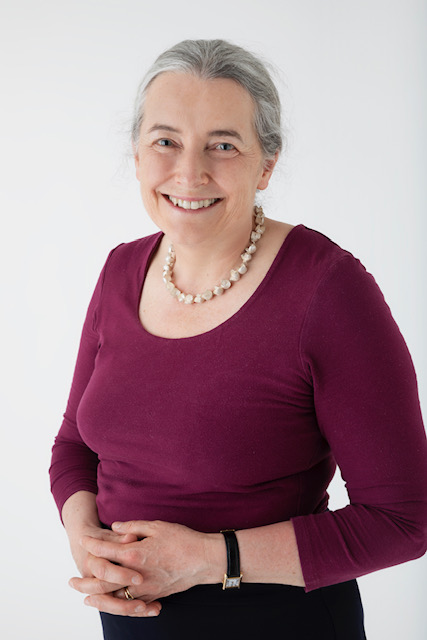
Amanda Gibbon is a lay member of the Tissue Access Committee. She chairs the Biobank Ethical Review Committee for the UCL/UCLH Biobank for Studying Health and Disease. She also chairs the Steering Committee for the UKCRC Tissue Directory and Co-ordination Centre. Amanda is a Member of the Human Tissue Authority and a non-executive director of Whittington Health NHS Trust.
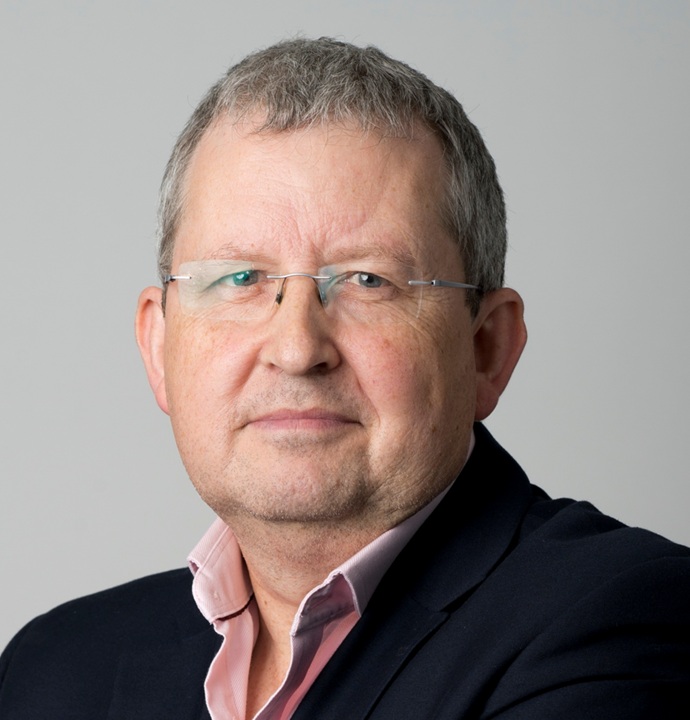
Professor Marshall studies the biology of tumour invasion with a particular interest in the roles of the adhesion molecules expressed on the cell surface that mediate this process. His group concentrates on the study of integrins that are the principal family of adhesion molecules that mediate interaction between cells and the extracellular matrix (ECM).
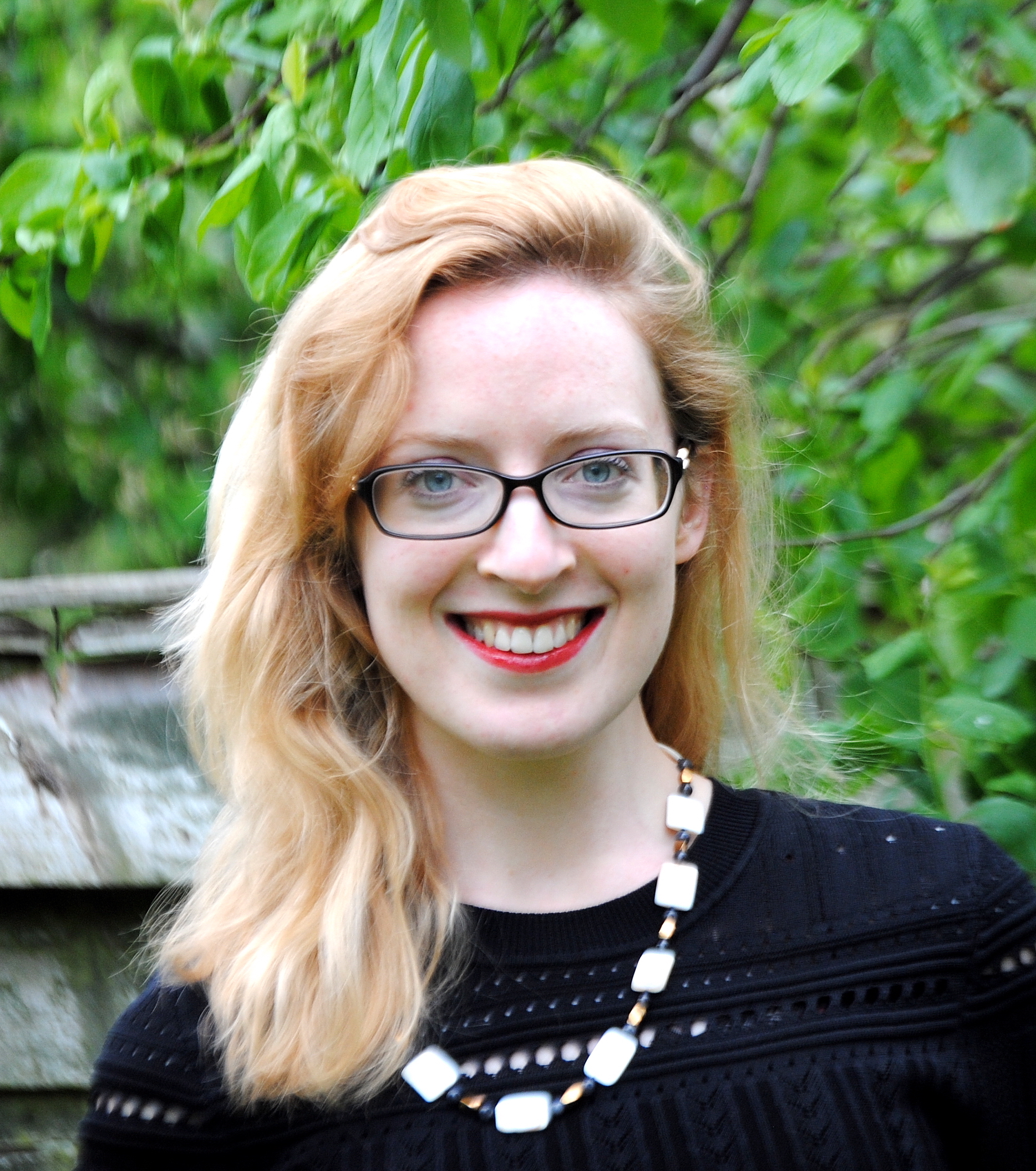
I am a Senior Analyst and currently manage a team of analyst and researchers assessing information relating to London, its communities and infrastructure. My commitment to support pancreatic cancer research began In 2006 when my husband was diagnosed with terminal pancreatic cancer. As a lay person it is a privilege to contribute to the PCRFTB and to play a part in this unique resource that will underpin vital research and its progression.
...
Dr Joe Geraghty is a consultant gastroenterologist specialising in pancreatic and biliary conditions at Manchester Royal Infirmary. About half of his time is dedicated to managing pancreatic cancers, and he has worked closely with colleagues at the Christie Hospital over the past decade to support research involving tissue biobanking of EUS samples and serum, as well as specific work on organoid development and circulating tumour cell research.
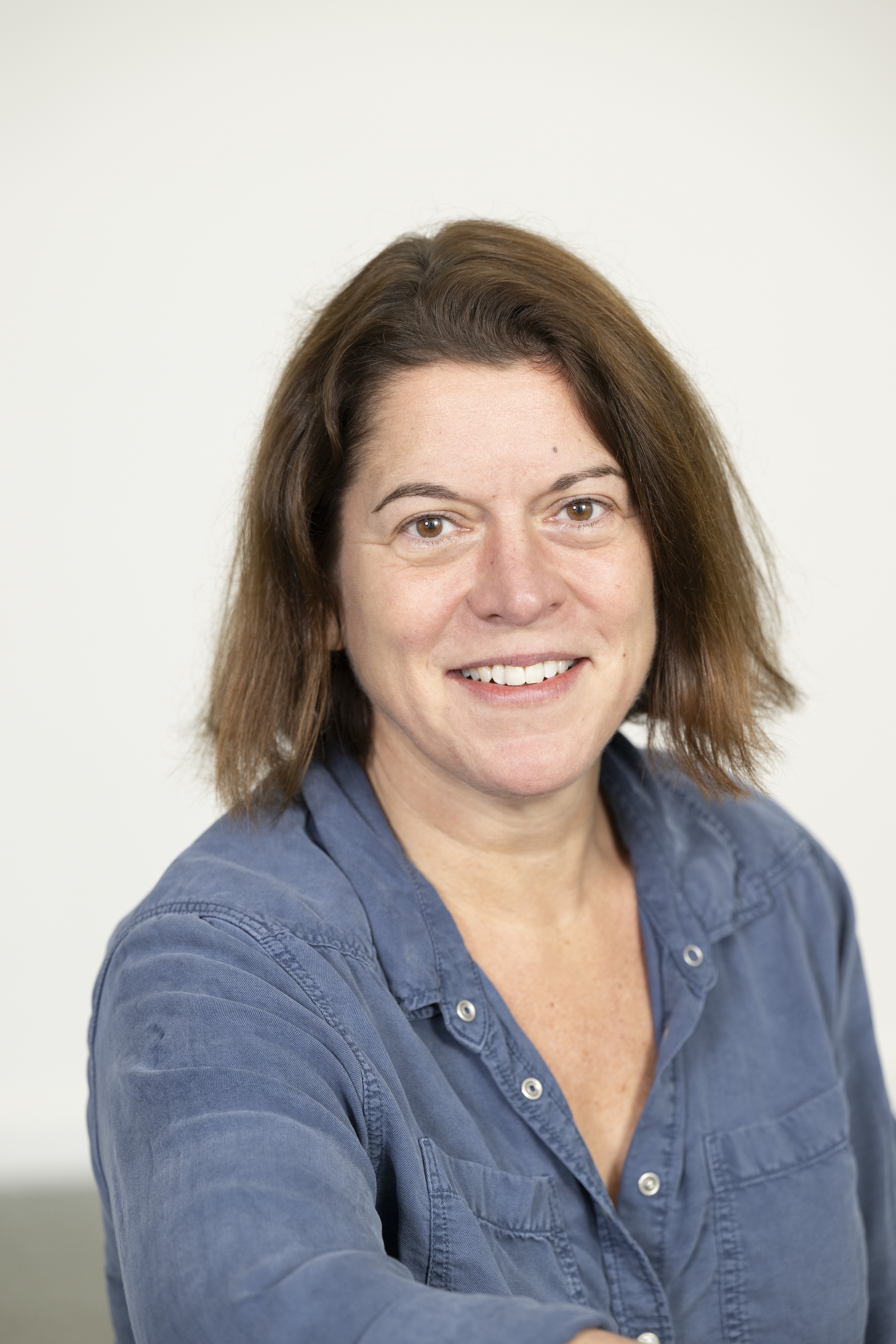
Jen Morton is a group leader at the CRUK Scotland (formerly Beatson) Institute and Professor in the University of Glasgow School of Cancer Sciences. Her lab focuses on investigating the importance of mutations found in human pancreatic cancer, profiling different genetic subsets of the disease to identify targets for therapy, and performing preclinical trials of cancer cell and microenvironment-targeting therapies in clinically and genetically relevant mouse models. She works with both academic and industry collaborators around the world to test new therapies in pancreatic cancer.
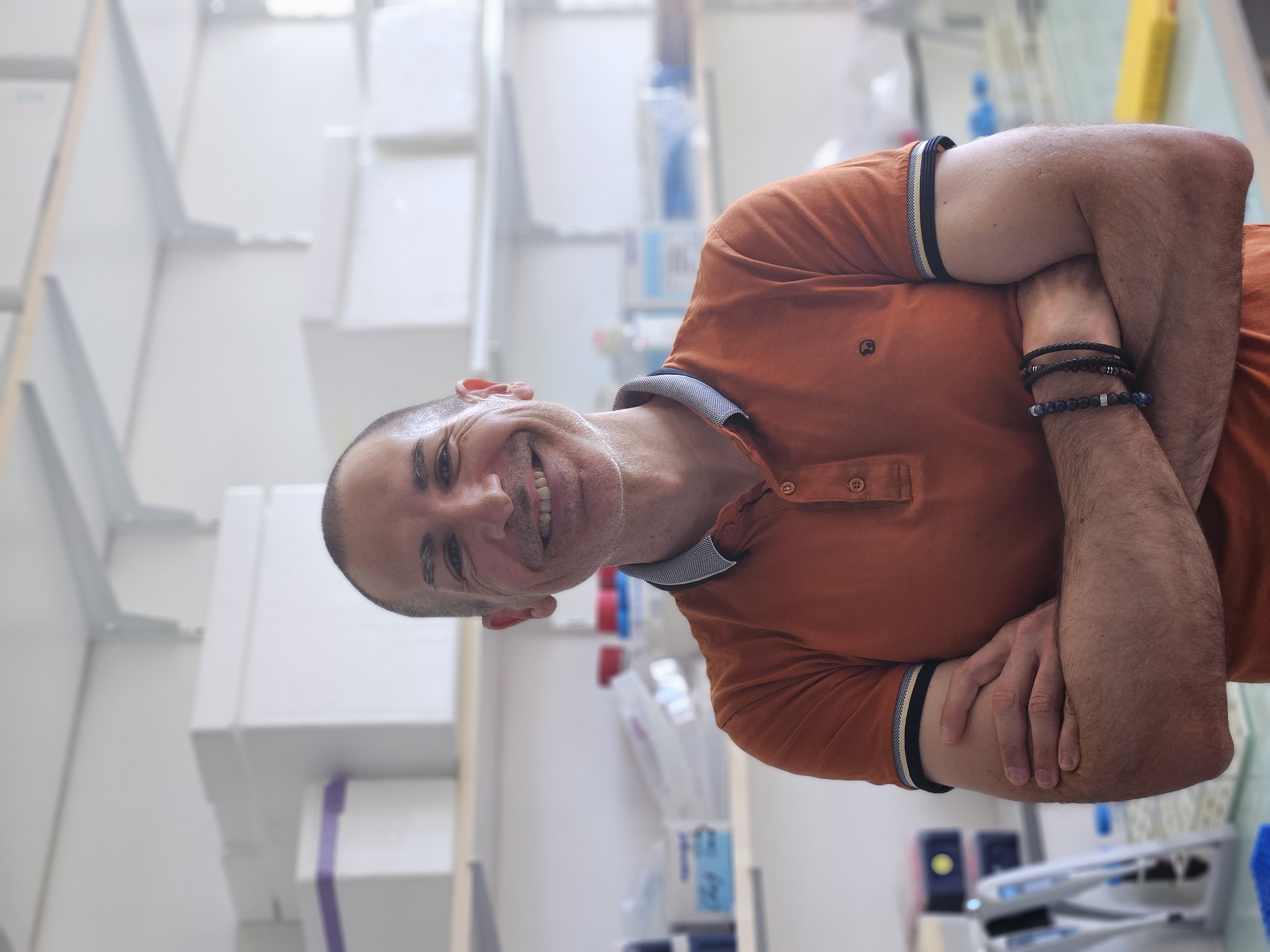
Alexandre David, PhD, is an Inserm Research Director and leader of the Epitranscriptomics & Cancer Adaptation team at the Montpellier Cancer Research Institute (IRCM). His research focuses on how RNA chemical modifications regulate tumor plasticity, cancer stem-like properties, and therapy resistance. He pioneered the integration of RNA modification profiling by LC-MS/MS with machine learning to identify epitranscriptomic biomarkers for cancer diagnosis and patient stratification, work that led to multiple patents and the creation of the diagnostic startup Cyberna. He also directs the Epitranscriptomics and Small Molecules facility at the Montpellier University Hospital clinical proteomics platform, supporting translational studies linking RNA chemistry, metabolism, and precision oncology.
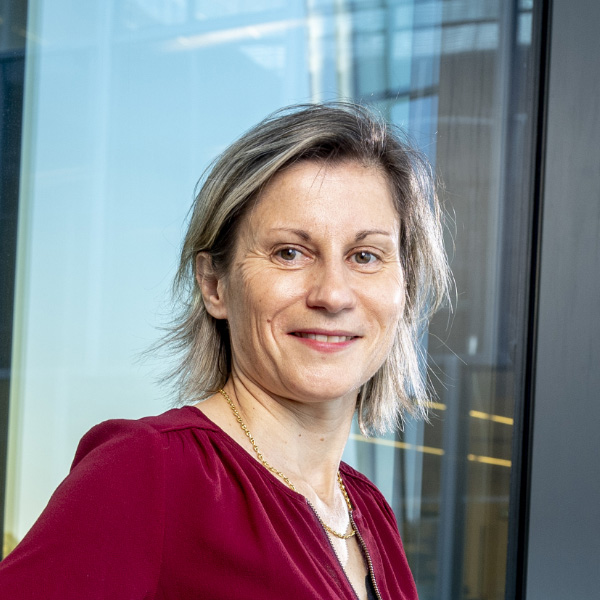
Dr Corinne Bousquet, DVM, PhD, is an INSERM Research Director, leading a research team at Cancer Research Center of Toulouse (CRCT) France, called MICROPANC (Microenvironment & Therapeutic Resistance in Pancreatic Adenocarcinoma). The team is focused on characterizing the role of cancer-associated fibroblasts (CAFs) in pancreatic ductal adenocarcinoma. This tumor is characterized by its rich fibrotic stroma (80% of tumor volume) composed of immune and non-immune stromal cells, of which cancer-associated fibroblasts (CAFs) are the majority. The MICROPANC team goal is to understand the biology of CAFs, their dialogue with cancer cells and with other stromal cells (endothelial and immune) as well as the extracellular matrix, and how these interactions affect the resistance of cancer cells to chemotherapy or immunotherapy. By understanding these interactions, we can propose and test anti-cancer therapies that target both cancer cells and their remodeled stroma.
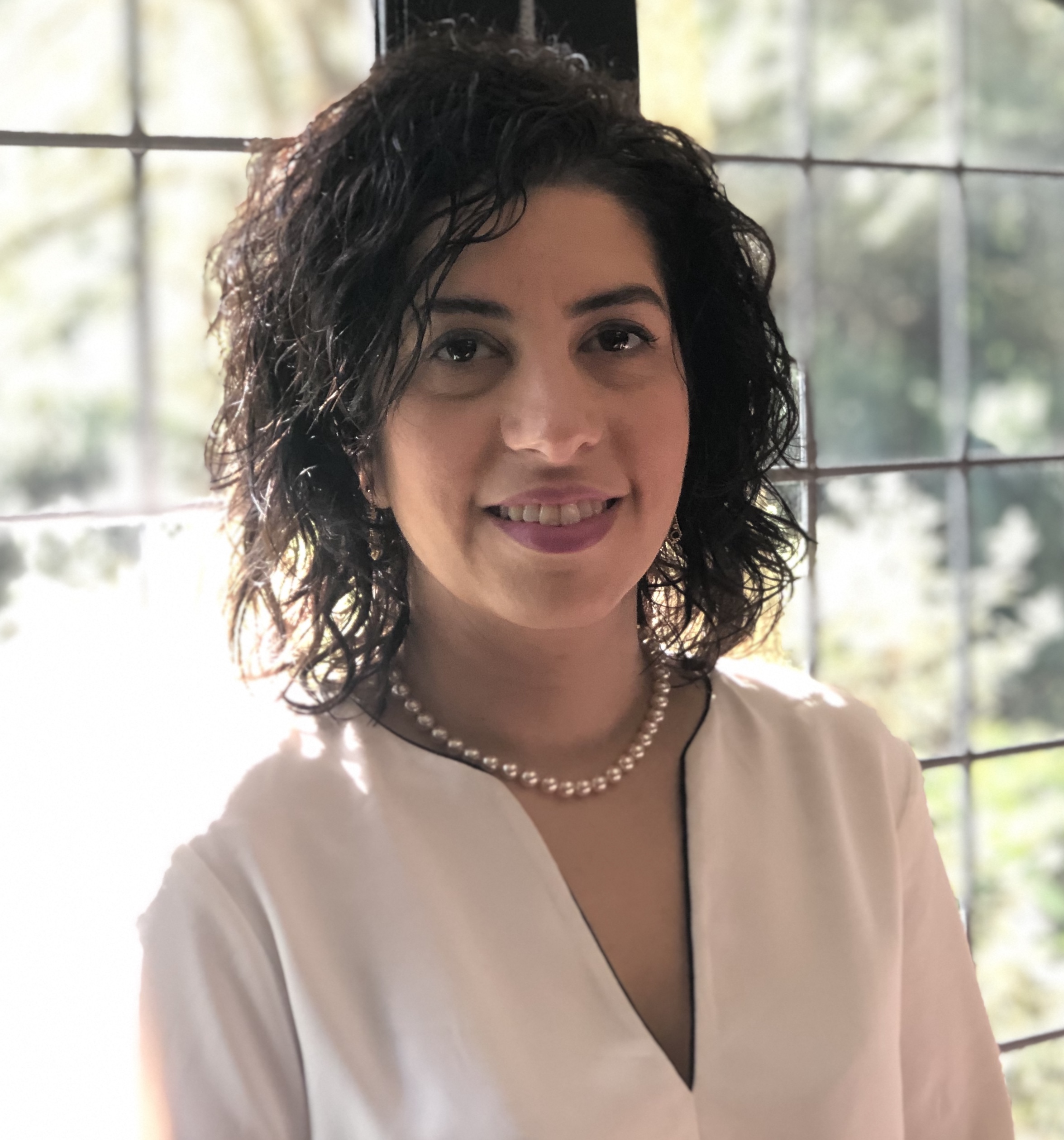
Prof Eirini Velliou is Professor of Bioengineering at UCL. She works on developing biomaterial and bioreactor based 3D models of cancer with strong focus and interest on pancreatic cancer.
Mayank Roy is the Surgical Director of the Pancreas Center and the Director of Robotic education at Digestive Disease Institute in Cleveland Clinic Florida. With over a decade of experience in the United States, Europe, and Asia, he has expertise in both open and minimally invasive procedures to treat a wide range of liver and pancreas pathology. Dr. Roy’s research focuses on the outcomes of pancreas surgery. He is the author of 40 peer-reviewed publications.
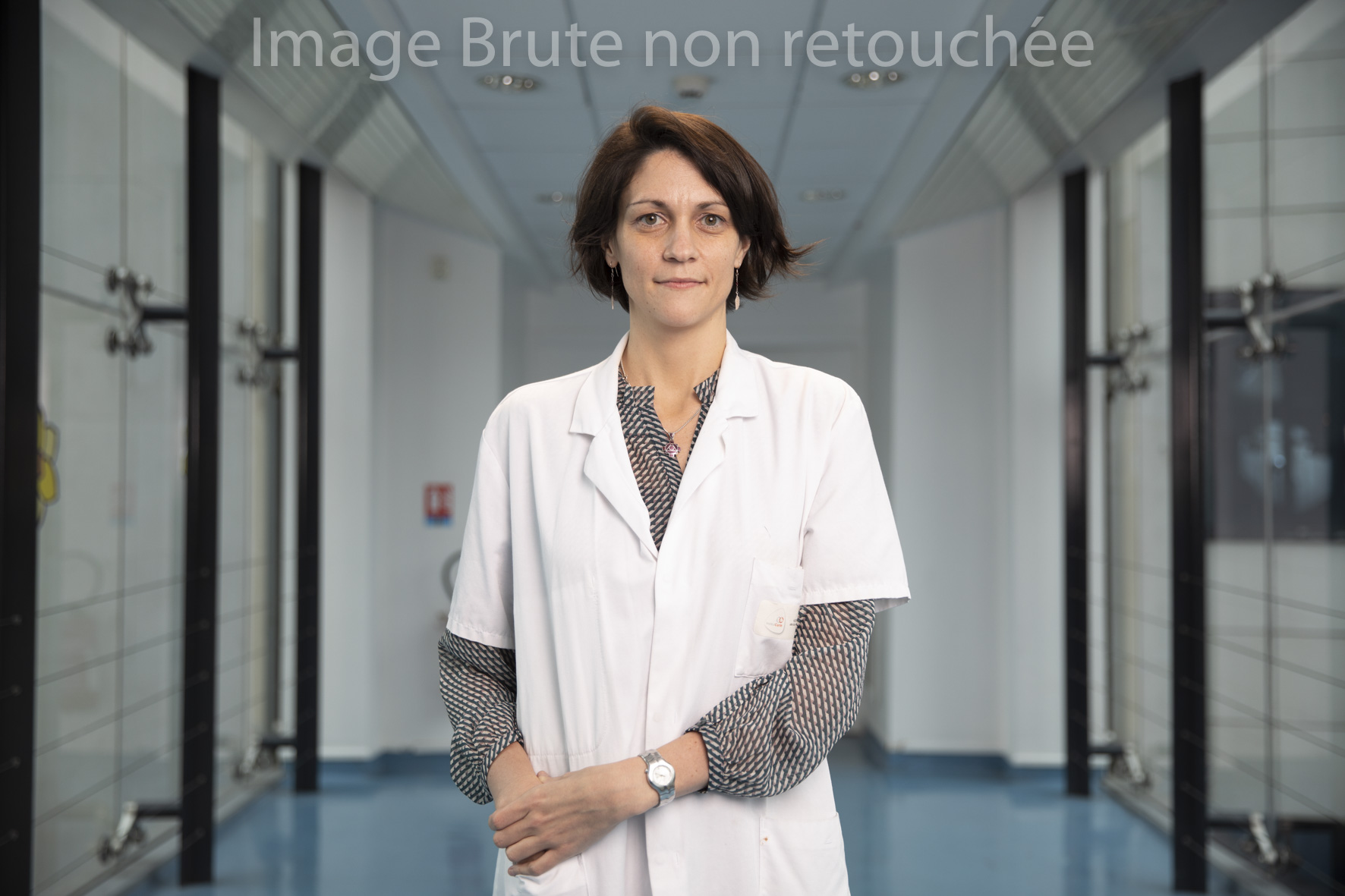
...
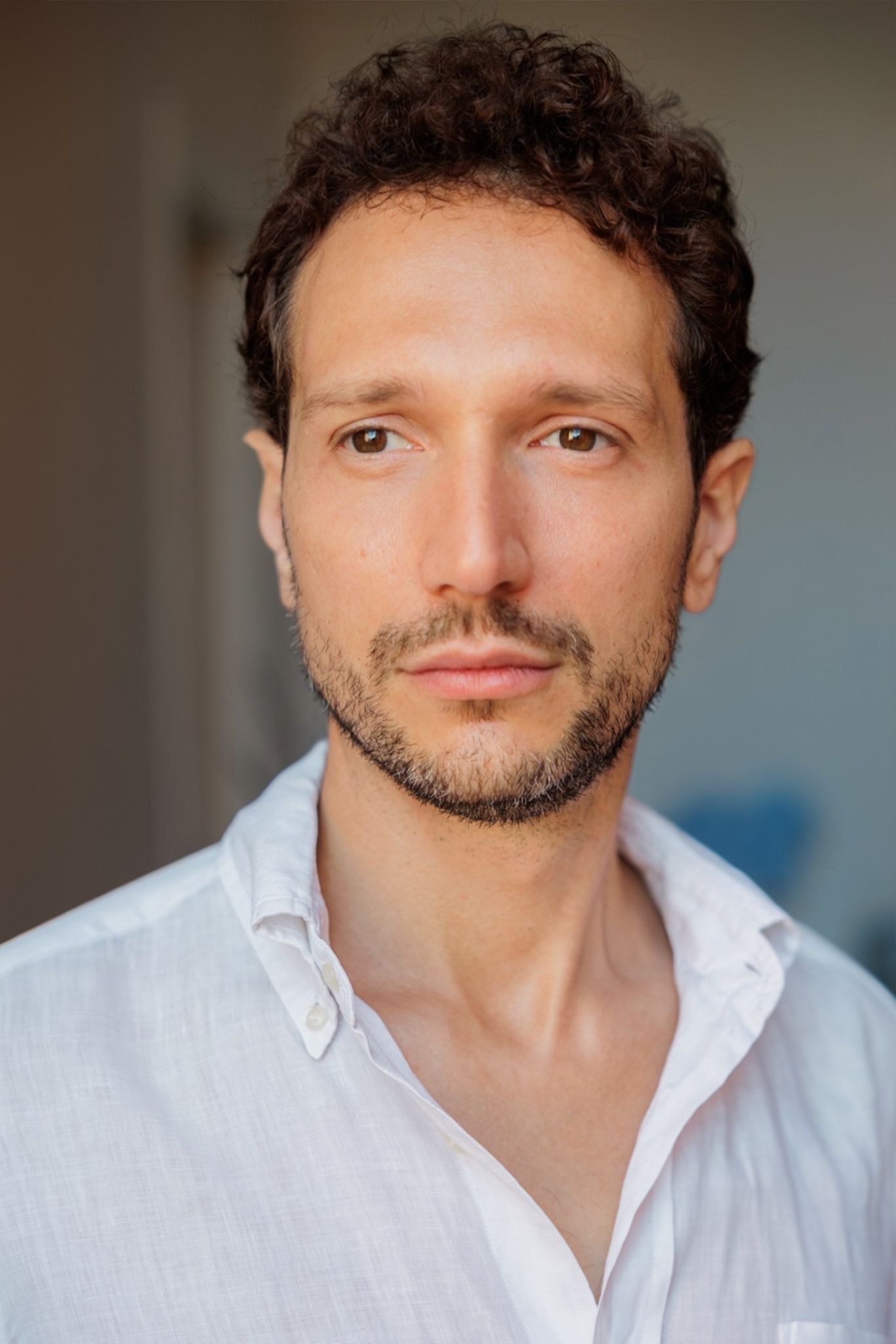
Gian Luca Rampioni Vinciguerra obtained his degree in Medicine and Surgery from Sapienza University of Rome in 2011 and completed his specialization in Pathology at the same institution in 2017. He began his doctoral training as a PhD student in the Molecular Oncology Unit at the Centro di Riferimento Oncologico di Aviano, Italy, where he investigated the biological mechanisms of resistance to CDK-inhibitors in breast and colorectal cancer. In 2020, he moved to the United States to join the Department of Cancer Biology and Genetics at The Ohio State University . During this period, his work focused on PDAC, with particular attention to the mechanisms of tumor cell adaptivity and plasticity that drive disease progression and contribute to drug resistance. In 2023, he was appointed Assistant Professor of Pathology at the Department of Clinical and Molecular Medicine, Sapienza University of Rome, where he established his own laboratory devoted to pancreatic cancer research. He serves on the Board of the PhD Program in Oncology and Translational Medicine, tutor for the residency program in Pathology, and Professor of Pathology at the Faculty of Medicine and Psychology, Sapienza University of Rome. He is co-author of 38 scientific articles published in international journals.
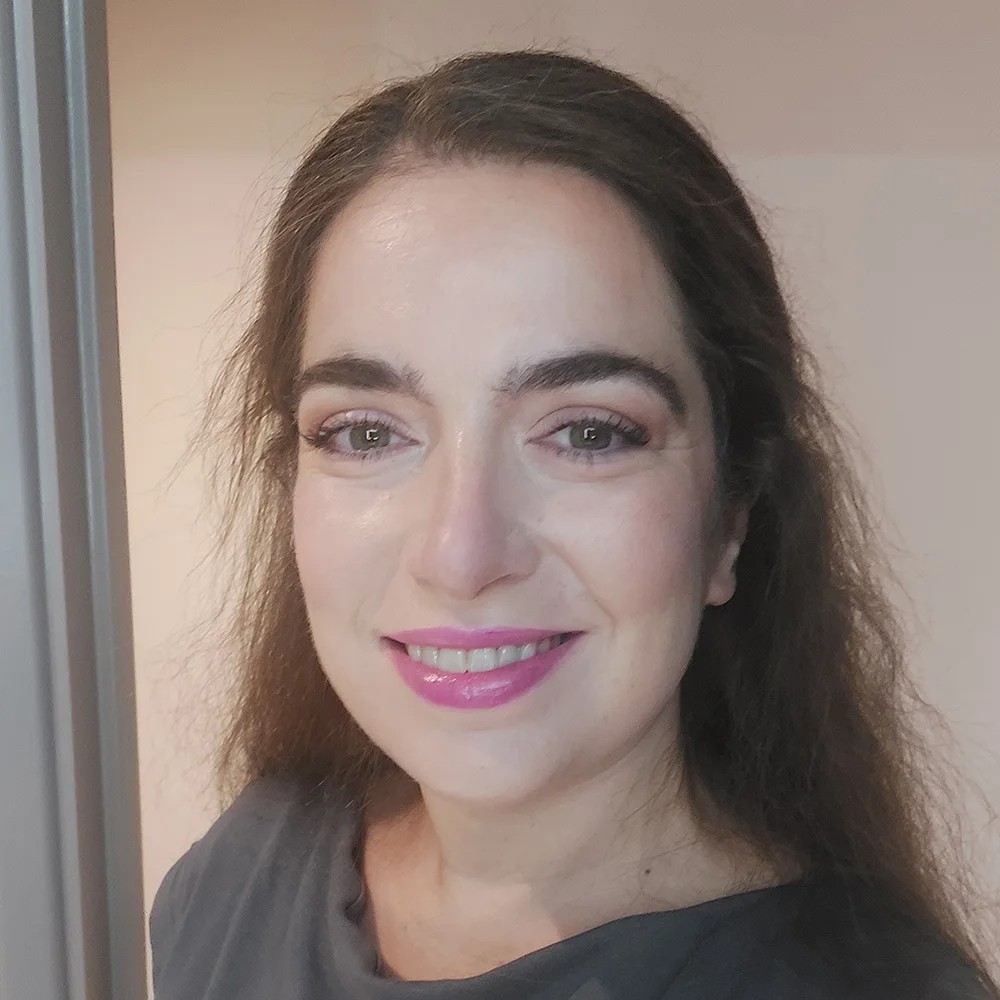
Christiana Kartsonaki is an Associate Professor at the Nuffield Department of Population Health at the University of Oxford, working on cancer epidemiology. Her research interests include risk factors for cancer, including lifestyle factors, genetics, infectious pathogens, proteomics, metabolomics and other biomarkers, and risk prediction to inform early diagnosis and prevention strategies, as well as related statistical methods.
Dr Richard Jackson is a senior lecturer at the University of Liverpool specialising in the design and analysis of Cancer Clinical Trials and the development and use of causal inference tools for Cancer Research. Richard has over 15 years experience working in Cancer Clinical Trials with a particular emphasis in pancreatic cancer having designed and analysed trials in the advanced and resectable setting. Beyond trials, Richard has worked on the translational elements of clinical research and has an interest in developing statistical tools for the identification of prognostic and predictive biomarkers. Richard also sits as a member of the Scientific Advisory Board for Pancreatic Cancer UK.
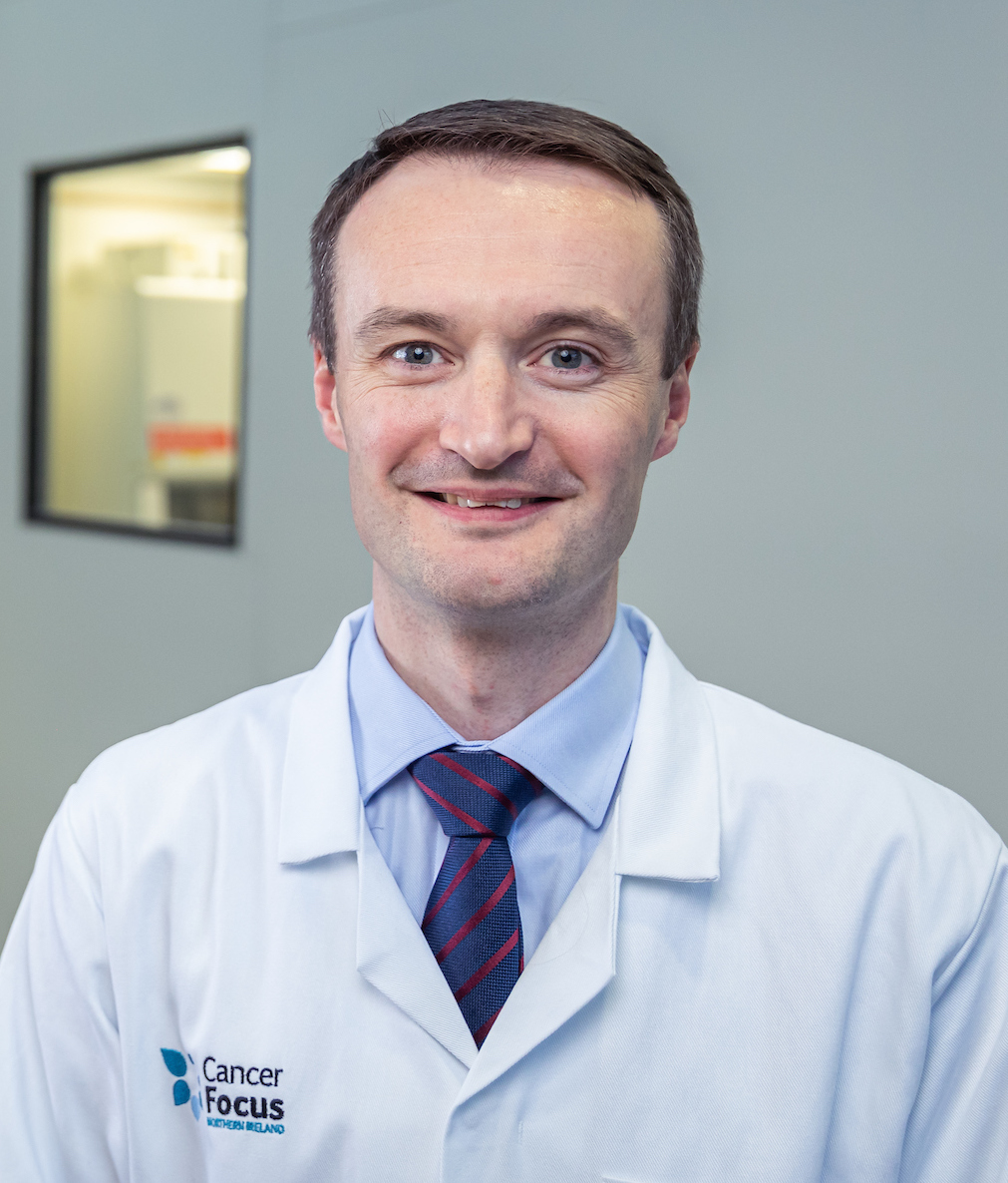
Prof Richard Turkington is Professor of Medical Oncology at the Centre for Public Health, Queen’s University Belfast and Consultant at the Northern Ireland Cancer Centre with an interest in oesophago-gastric and pancreatic cancer. Having graduated in medicine from Queen’s University Belfast he completed specialty training in Medical Oncology and was awarded a Cancer Research UK Bobby Moore Clinical Research Fellowship to pursue a PhD in novel drug target discovery in colo-rectal cancer. Prof Turkington’s work has been published in high impact journals and he has received research support from international funders including Cancer Research UK, UKRI/Medical Research Council, Wellcome and the European Commission. In his role as a CLIA Laboratory Director at Almac Diagnostic Services he is involved in the design and international delivery of clinical trials using biomarkers on behalf of multiple global pharmaceutical companies. As part of the Cancer Epidemiology Research team at Queen’s University Belfast he seeks to transform the care of oesophago-gastric and pancreatic cancer patients through the integration of laboratory discoveries, translational science and clinical research.